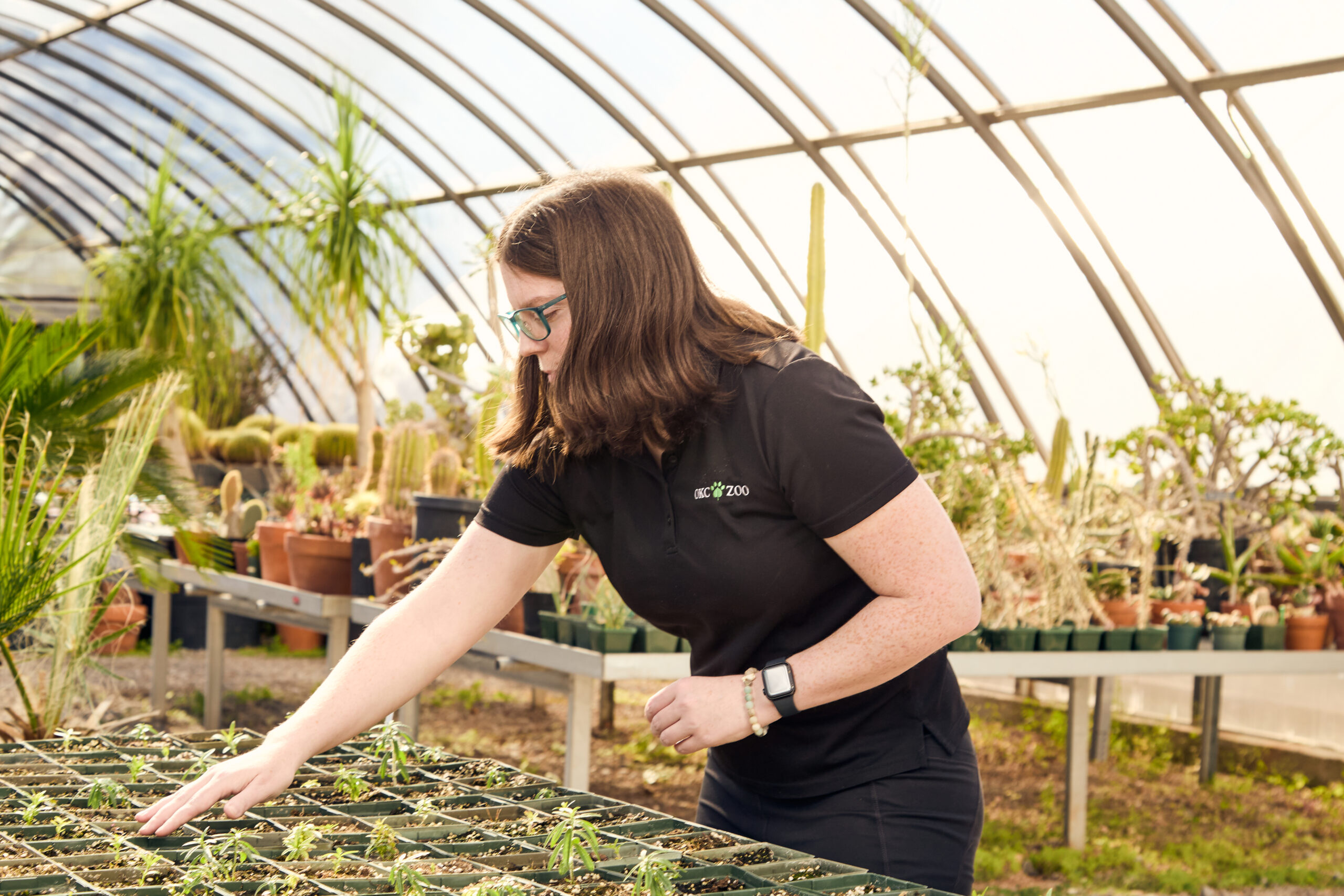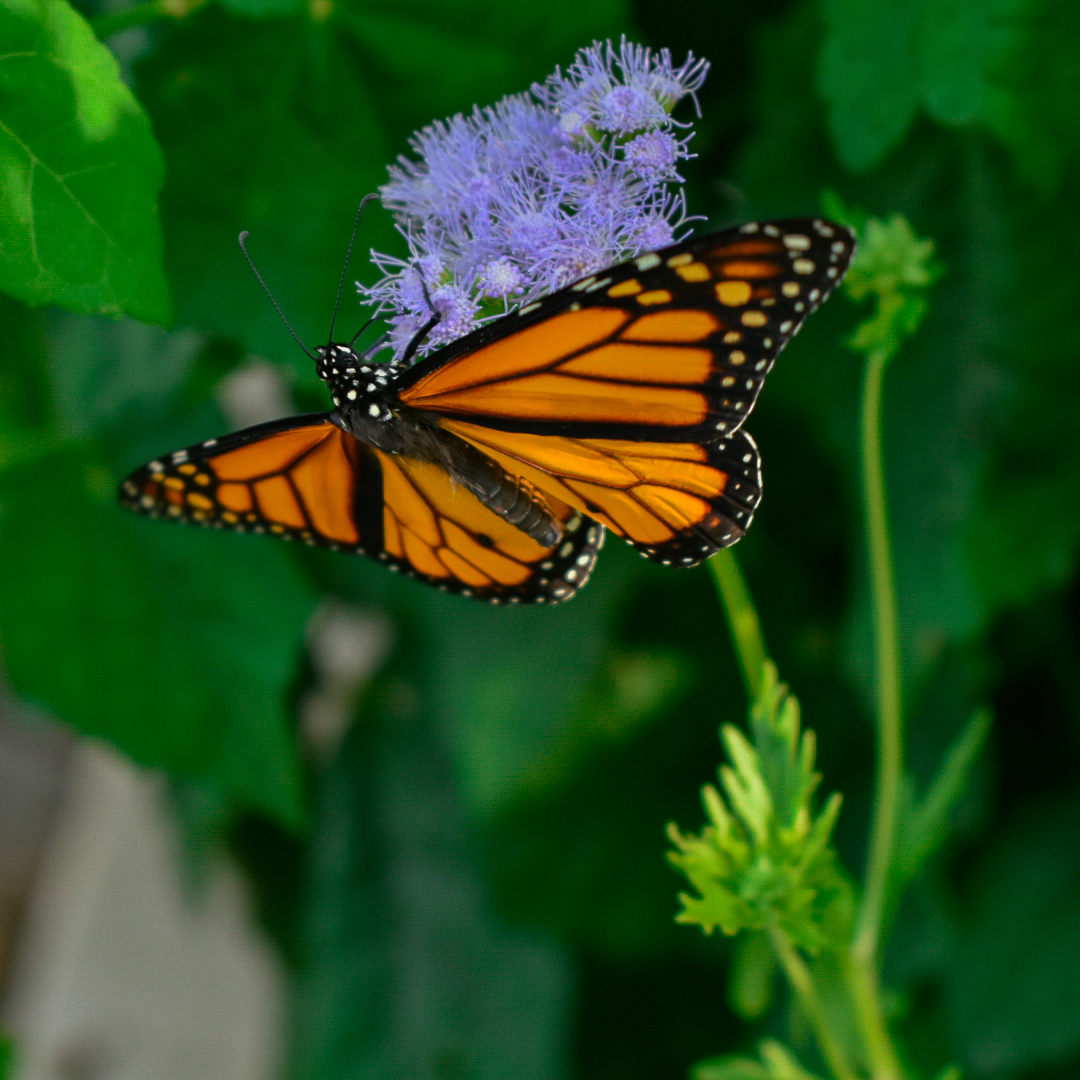


If you are one of the many Oklahomans enthralled by the monarch butterflies that pass through our state on their journey to Canada in the spring and Mexico in the winter, you have Dr. Emily Geest to thank. The monarch butterfly population has dropped by over 90% in the last 30 years. But this passionate conservation scientist has been working to raise awareness and create special gardens throughout Oklahoma since 2018.
Geest, affectionately called “Dr. Emily” by the zoo staff and students who work with her, grew up in St. Louis, Missouri. She earned her Ph.D. from Oklahoma State University in 2021 and has lived in Oklahoma since 2018. As a trained ecologist, she is deeply involved in conservation work: Every summer, she studies fireflies in our region, and every spring and fall, she works with monarch butterflies.
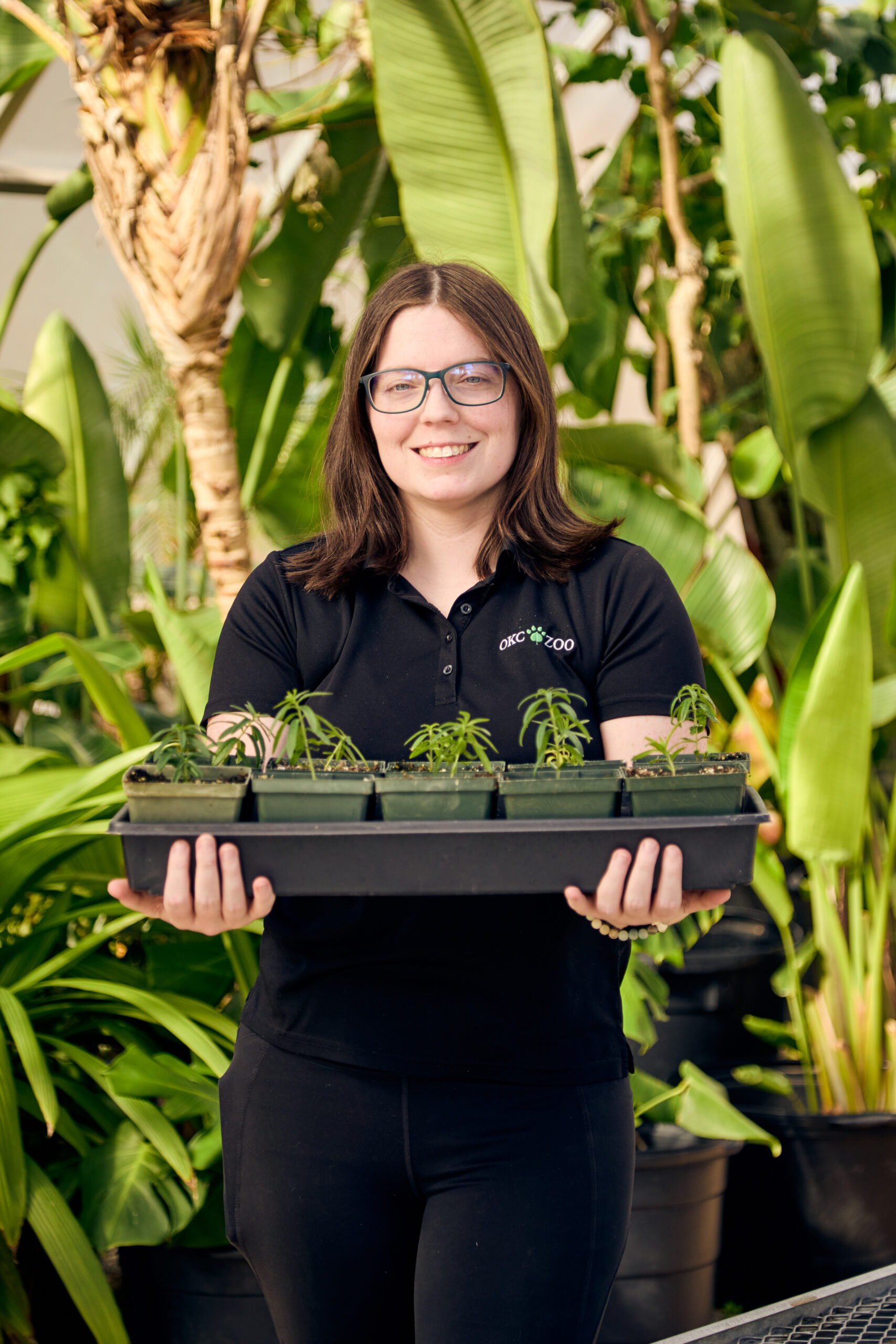
Since 2018, Dr. Emily has led the Living Classrooms grant program at the Oklahoma City Zoo. Forty metro schools have taken advantage of the training and materials to build and maintain monarch gardens. Each school is connected with a master gardener to help it cultivate milkweed plants, and Geest visits twice a year to count monarchs, measure plants and further educate the students.

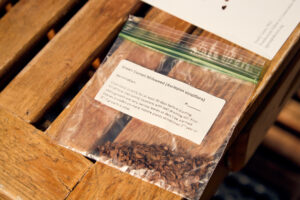
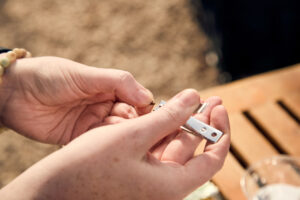



Photos by Charlie Neuenschwander
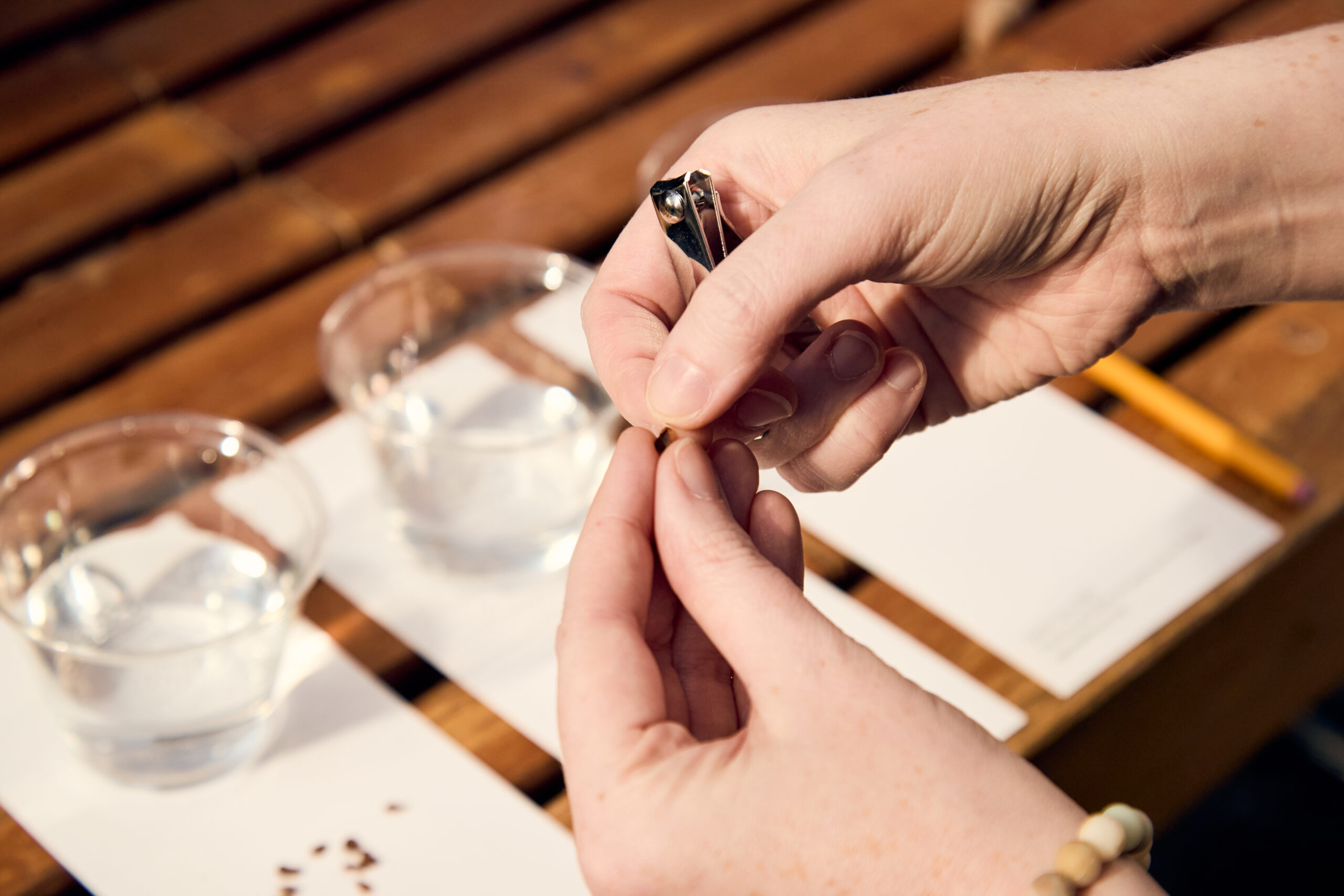
“We have a total of over 20,000 students that we currently serve,” said Geest, “and the grant program will be open again for metro schools this spring. Each school learns about monarch biology and receives a classroom curriculum, as well as getting hands-on experience in the monarch garden. We provide them with plants that bloom in late spring and fall, so the kids can see results before they leave for summer vacation. In May, I visit each school and troubleshoot problems. I check their irrigation lines and their plant progress.”
The program is open to schools in the Oklahoma City metro. Geest said, “The metro is defined pretty broadly; I hope any interested schools will check the website to see if they are in the window. The grant application will be open until April 10.”
Geest follows each grant-funded school for three years. The schools must commit to caring for their monarch gardens for at least that time, though many schools stay involved indefinitely. Geest said that some of her teachers have even gotten monarch tattoos as a testament to their commitment to the monarchs.
Geest and her team tagged 300 monarchs at the zoo this year, a record number. She said, “Community scientists and community members who are participating are making a difference. It looks like 2025 was a record year for monarch butterflies in Oklahoma, but we are still waiting for the official numbers from Mexico.”

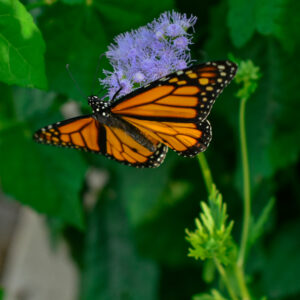

Photos by Charlie Neuenschwander
If you would like to help the butterflies and fireflies in our state, here are a few tips from Dr. Emily:
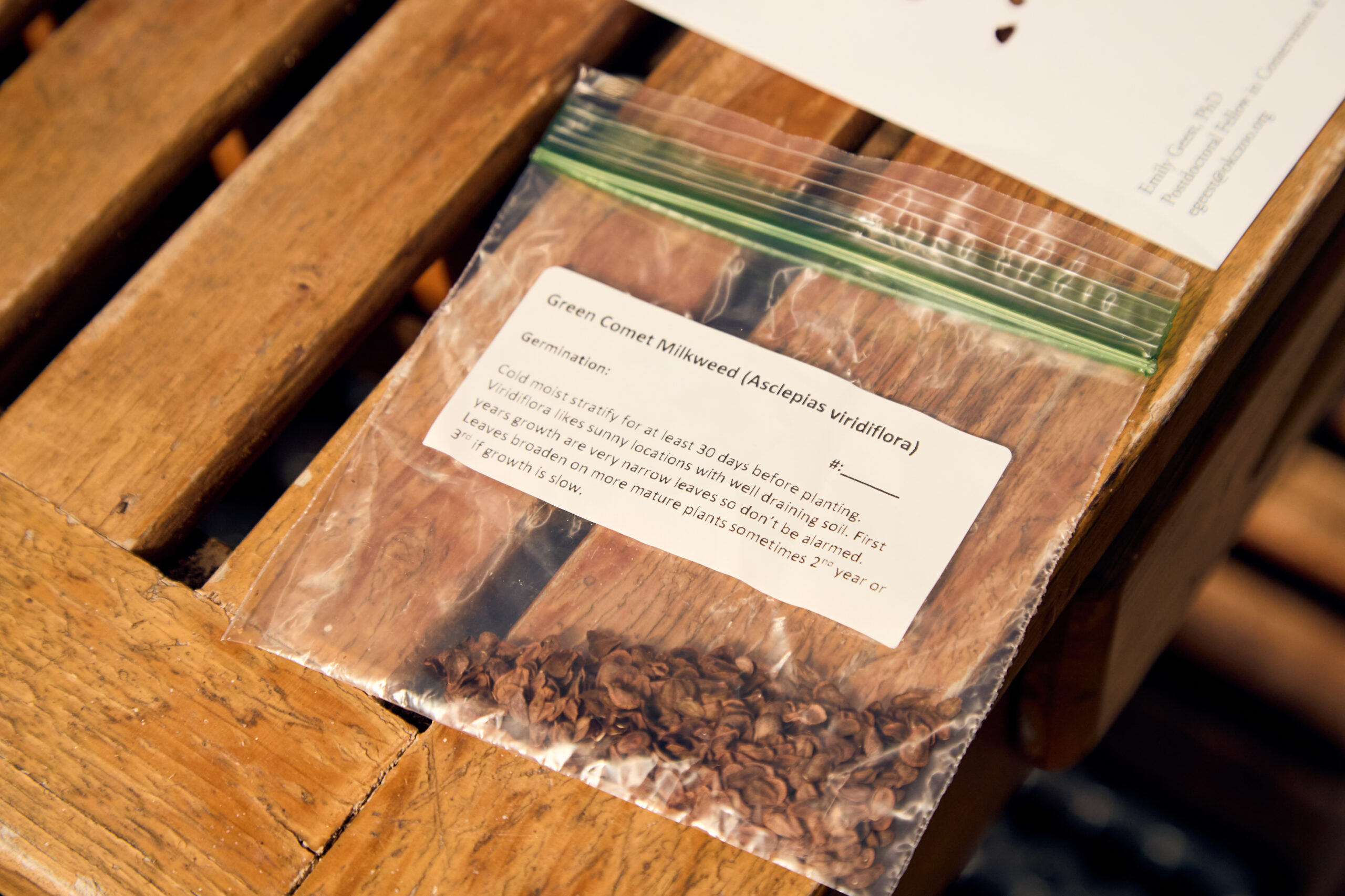
- Create a spring pollinator garden filled with milkweed (for caterpillars) and nectar plants (for butterflies). This also aids bees and fireflies.
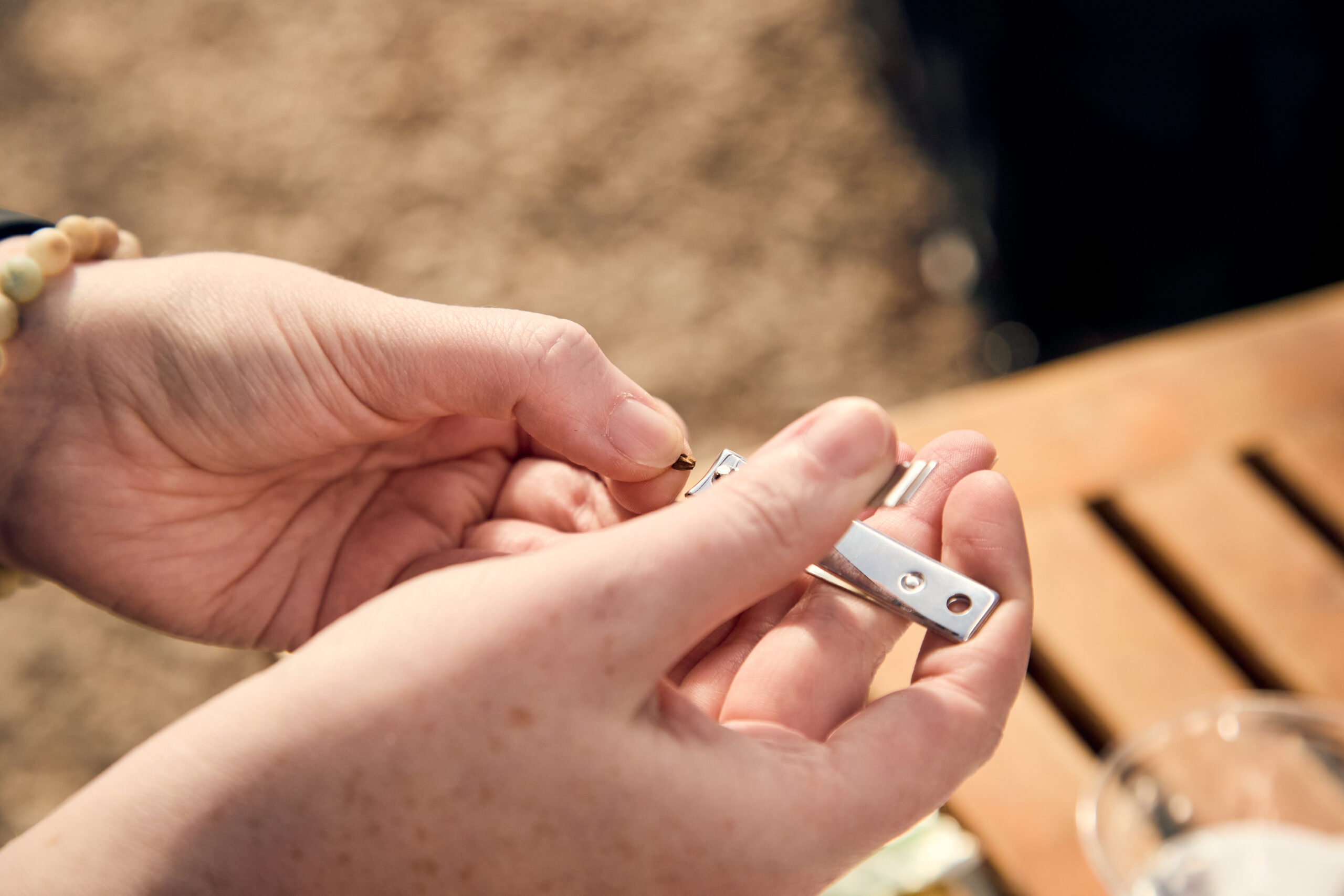
- Participate in community science. Order monarch tags online through Monarch Watch.
- If you are a teacher, apply for one of the Living Classroom Grants and create a living habitat at your school.
- Leave piles of leaves and grass clippings untouched through the winter and fall in your yard. This gives fireflies a chance to feed and grow as they eat bugs that live beneath these damp piles of leaves and grasses.
- Light pollution is a problem for birds and fireflies—turn off unnecessary lights at night.