


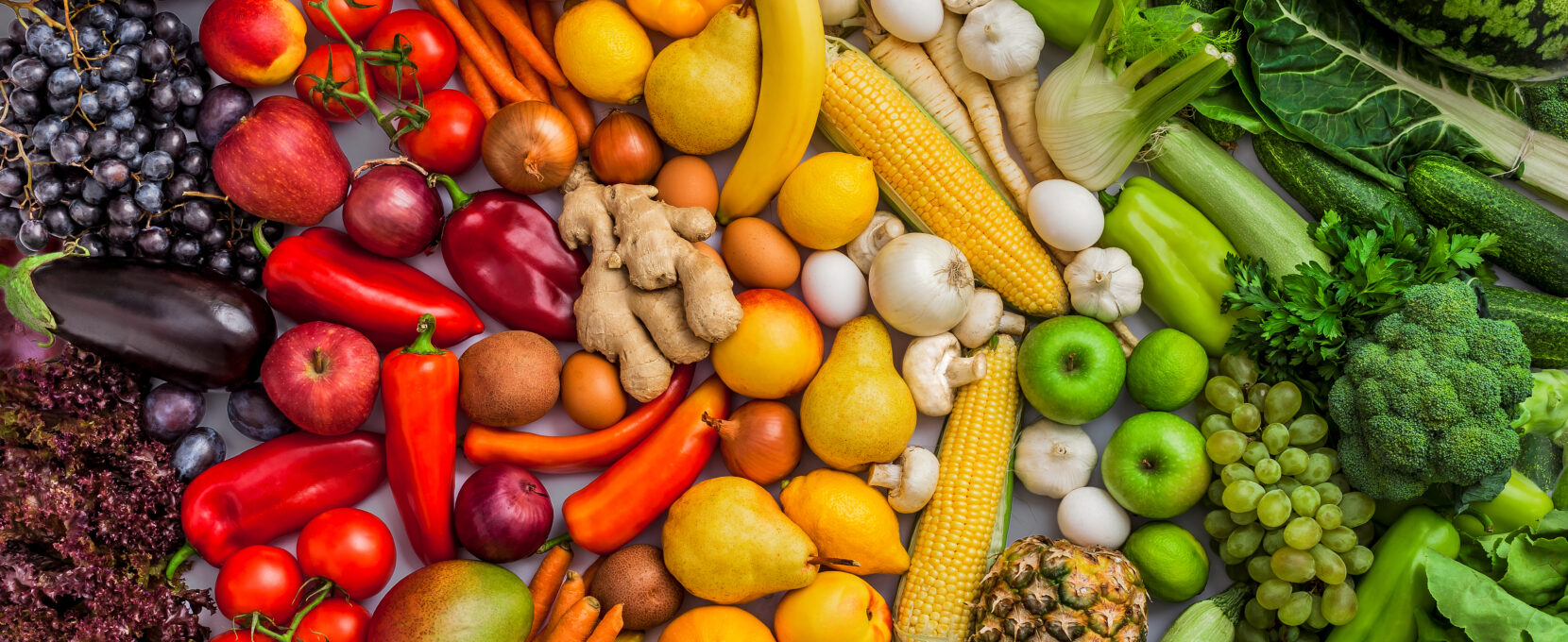
Colorful foods definitely contribute to a pretty plate. Vibrant vegetables and fruits are also nutritious and delicious—and when you consume a variety of colors, you’re getting a variety of vitamins and nutrients. (Rainbow for the win!) Registered dietitian Kristine Palmer gives insight on how and why a colorful diet is beneficial.
Red
Tomatoes, strawberries, watermelon
Benefits: Rich in lycopene (supports skin health and provides antioxidants to counteract sun damage) and in anthocyanins (associated with heart health).
Power Boost: Lycopene is more concentrated when foods like tomatoes are cooked or reduced. Tomato paste is stellar, but even ketchup counts.
Orange/Yellow
Carrots, sweet potatoes, mangoes, cantaloupe, apricots, butternut squash
Benefits: High in beta carotene (supports eye health and night vision) and vitamin C (boosts immune function).
Power Boost: Beta carotene is better absorbed when paired with dietary fat. So go ahead and butter that butternut squash.
Green
Spinach, broccoli, kiwi, collard greens, Brussels sprouts
Benefits: Filled with diverse nutrients including sulforaphane (notably in broccoli, linked to cancer prevention) and antioxidants; rich in fiber (good for microbiome), magnesium and potassium (support heart health and lower blood pressure), vitamin K and calcium (support bone health) … can even help with sleep.
Power Boost: Green vegetables are often the least consumed, yet they pack a powerful nutritious punch. Want to maximize your health? Go green!

Blue/Purple
Blueberries, blackberries, purple carrots, purple cauliflower, purple cabbage, eggplant
Benefits: Contain anthocyanins, which support brain health (help prevent Alzheimer’s, Parkinson’s) and vascular health, and enhance insulin sensitivity/blood sugar regulation.
Power Boost: Antioxidants are retained even when frozen. Frozen berries are easy to keep on hand and delicious in yogurt or smoothies.
White / Tan
Garlic, onions, cauliflower, mushrooms
Benefits: Support immune function and are anti-inflammatory. Garlic and onions are rich in allicin, polyphenols and potassium. These foods are also a good source of fiber.
Power Boost: Mushrooms will increase in vitamin D when exposed to sunlight. Try letting your mushrooms “sunbathe” in the kitchen window sill just before adding them to a dish.
Metabolism Superstars
When it comes to metabolism—that essential bodily function of converting food into energy—there really aren’t any “boosters,” according to Katie Eliot, a registered dietitian and an associate professor in the department of nutritional sciences at the University of Oklahoma. Rather, we want to work to maintain a healthy metabolism, keeping it steadily humming along in the most optimal way. A plant-forward diet is a great way to start.
“Plants play one of the most important roles in a balanced diet because of their antioxidants, phytochemicals and fiber,” Eliot said. “We’re learning so much about how fiber impacts our gut microbiome, and then how much that then impacts overall health. The more we’re learning about plants, the more they need to be the center of what we’re eating.”
Among all the plant options, Eliot said several are superstars for metabolic health:
- Leafy greens like spinach and kale are a great source of magnesium and iron. Both affect how our cells produce energy. Leafy greens are also a great source of fiber.
- Legumes such as lentils and chickpeas are also a really great source of fiber, plus B vitamins. The best part: Legumes provide an excellent source of plant-based protein, so they pack a powerful one-two punch of protein and fiber. (Eliot recommended trying dry roasted chickpeas for a crunchy treat.)
- Whole grains stabilize blood sugar. Opt for whole grain products when buying bread and pasta. These versions pave the way for more stable energy, compared to refined flour foods.
- Berries, whether fresh or frozen, have wonderful antioxidant properties. Antioxidants help protect our cells from free radicals, supporting all processes in the body including metabolism.
While a healthy diet is always great, Eliot noted other behaviors contributing to better metabolic health.
Eating regularly, not skipping meals and making sure you’re staying hydrated—because water is so essential for those metabolic reactions in our bodies,” she said. “Getting enough sleep is also important, because while you’re sleeping, your body is regulating its hormones and metabolism.”
With good foods and good habits working in your favor, your metabolism can keep humming happily along. And you’ll feel like a superstar yourself.

Plant‘s Clean Green Smoothie Recipe:
- 1 cup house-made almond milk
- 1 cup spinach
- 1 cup kale
- 1 stalk celery
- 1/4 cucumber
- 1 cup frozen mango
- 1/4 inch fresh ginger root
- 1 lemon, squeezed
- 1/2 tsp chlorella powder