



After interviewing three local nutrition experts, one thing becomes clear: Consuming copious plants—vegetables, fruits, beans, nuts and seeds—can power our health up to the next level. Each meal provides an opportunity to nourish our bodies, so why not grab the good stuff? Plant OKC gives you access to real, delicious, and nutritious food, even when eating out. Their menu full of nutritious smoothies, bowls and salads take plant-based meals to the next level.
We’re here to examine the power of plants from the ground up. Our experts break down the “what,” “how” and “why” of plant nutrition, presenting tips and tidbits in a user-friendly manner. All agree that little lifestyle tweaks contribute to big results over time. Eat more plants, fuel your metabolism and build a colorful plate for healthier living. There is so much to digest; let’s dig in.
Photos by Shea Alan
10 Easy Ways to Eat More Plants
We know we should incorporate more plants into our daily diets—but how? We turned to Jaisa Thomas, a registered dietitian and the owner of Thomas Nutrition & Dietetics in OKC. Thomas described her approach to advising clients as “gentle and practical” as they collaborate on ways to improve heart health, metabolism, weight management and diabetes through positive nutritional habits and lifestyle changes. Here are her top 10 tips for consuming more plants.



1. Prioritize the plants
When you are meal planning and thinking about what to put on your plate, determine the plant-forward dishes first, then build the remainder of your meal—the protein and carbohydrate elements—around them.
2. Eat a veggie rainbow
Vegetables do more than fill nutrient gaps. Consume a variety of colorful vegetables for better gut communication, more blood sugar stability and less inflammation, which is often the root of fatigue, chronic disease, joint pain and weight changes.
3. Don’t forget about fruit
Fruits often get a bad reputation for their sugar content, but they’re really sugar with built-in support. Each piece comes packaged with fiber, antioxidants, vitamins and hydration. These nutrients help your body process the sugar more effectively, while also delivering many health benefits. It’s nature’s way of balancing sweetness with nourishment, and energy with function.
4. Add in beans, nuts and seeds
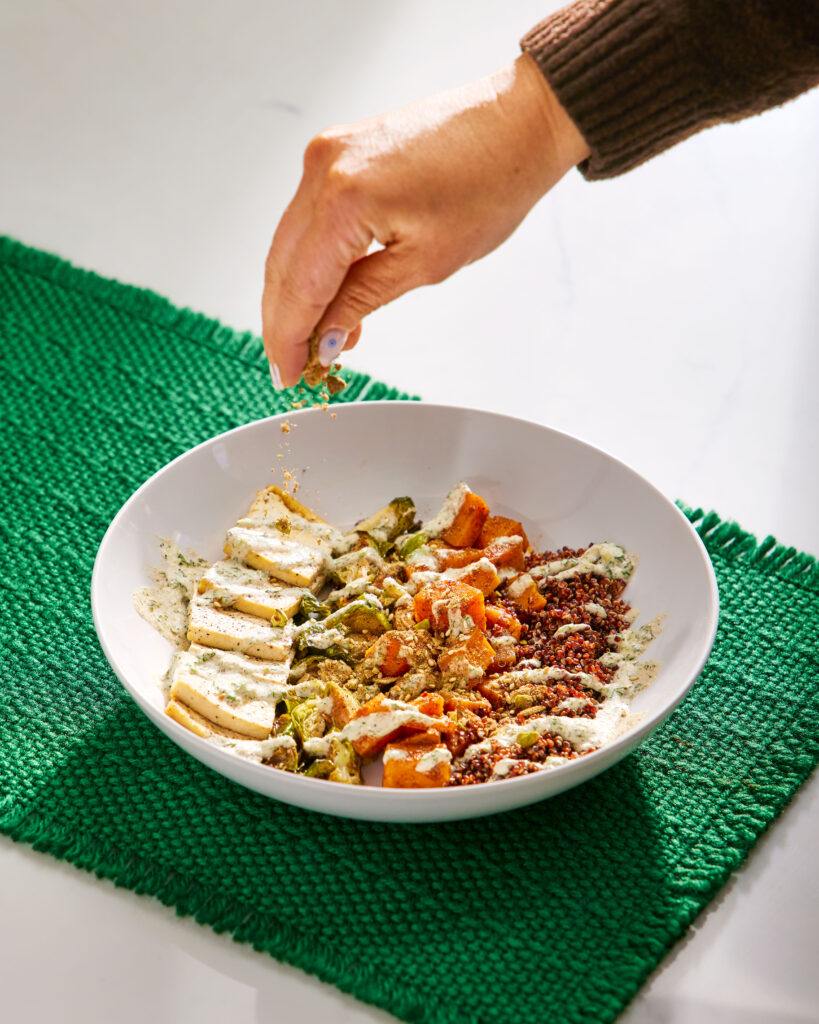
These plants are nutritional powerhouses. They pack fiber, protein and healthy fats in a small package and are really easy to incorporate into everyday meals such as soups and grain bowls. In addition, they’re affordable and shelf stable (making them a pantry staple), and they have some of the strongest evidence for heart protection.
5. Plan for success
There are no rules for meal planning and prepping. Planning for two or three days at a time may be less overwhelming than figuring out a whole week, so do what feels best for you. Wash fruits, cut up veggies and mix up marinades ahead of time to make busy weekday meals extra easy.
6. Prep, then prop
Set aside time to prep your fruits and vegetables, then prop healthy items where you can’t ignore them. Choose the front of the fridge, eye-level bowls and clear containers. Make it obvious, reachable and obtainable.
7. Snack to stay steady
It’s time to reframe the way we think about snacks. Snacks are a good supporting cast to keep energy and blood sugar stable between meals and to prevent that mid-afternoon crash. For satisfying results, try pairing fiber with flavor, such as apple slices with almond butter.

8. Savor the flavor
What are your favorite seasonings and herbs? Make plant-forward meals irresistible by leaning into your favorite tastes. Toss vegetables in olive oil and seasonings and roast or saute them. Try adding a pinch of cayenne pepper for heat, or popping them in the air fryer for quick crispy texture. The flavor-filled possibilities are endless.
9. Encourage budding taste buds
Families can introduce new vegetables to the table by preparing them with favorite and familiar textures—such as crispy or mashed. Repeated exposure over time will build comfort over time, so try to be patient and not too forceful with new foods. Sometimes camouflage can be key; think cauliflower in mashed potatoes or soft carrots in marinara.
10. Start where you are
Enhancing your eating habits doesn’t require perfection. Nourishment isn’t an all-or-nothing endeavor. Rather, it’s a series of small choices that add up over time. Every extra serving of berries, beans or veggies is an investment in your long-term health and wellness.
Next, read more from local dietitians about the benefits of eating the rainbow.